
- Mobile Phone
- +86 13256067633
- rzzw@rizhaozhongwei.com

Wholesale Ceramic vs. Metallic Brake Pads: Which Is Better from Manufacturers?
When it comes to choosing brake pads, I found myself often pondering, "Which is better, ceramic or metallic brake pads?" Both have their advantages, but as a B2B purchaser, I’ve learned the importance of quality in our wholesale orders. Ceramic brake pads tend to be quieter, provide excellent stopping power, and generate less dust, making them a great option for everyday driving. On the other hand, metallic brake pads offer superior heat dissipation and durability, which is essential for heavy-duty applications. Working with reputable manufacturers ensures that I get the best of both worlds in my orders. By understanding the specific needs of my clientele, I can confidently recommend either type, tailoring my choices to their requirements. This awareness of the differences between ceramic and metallic brake pads not only enhances customer satisfaction but also drives repeat business. Making an informed decision can truly impact performance and safety on the road.
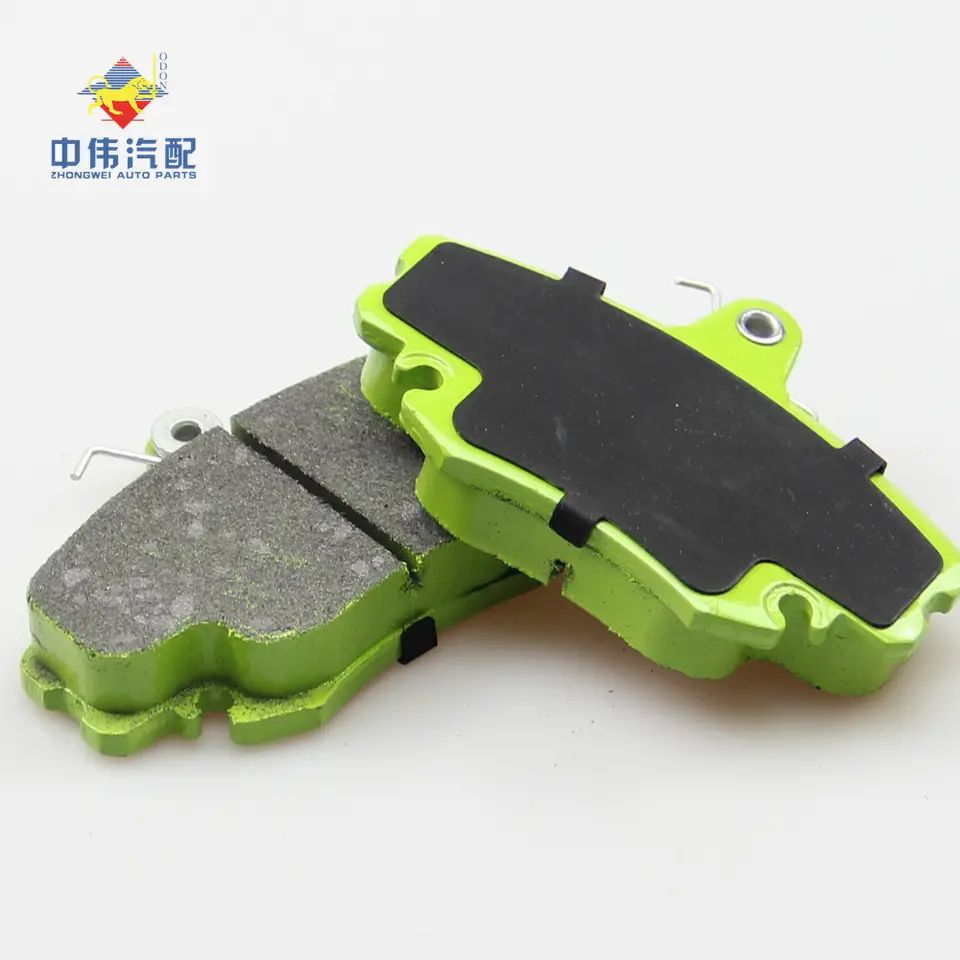
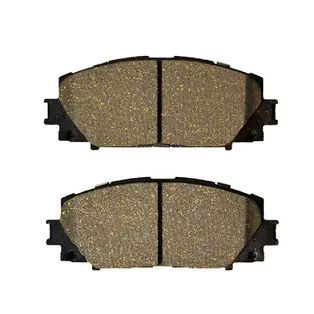
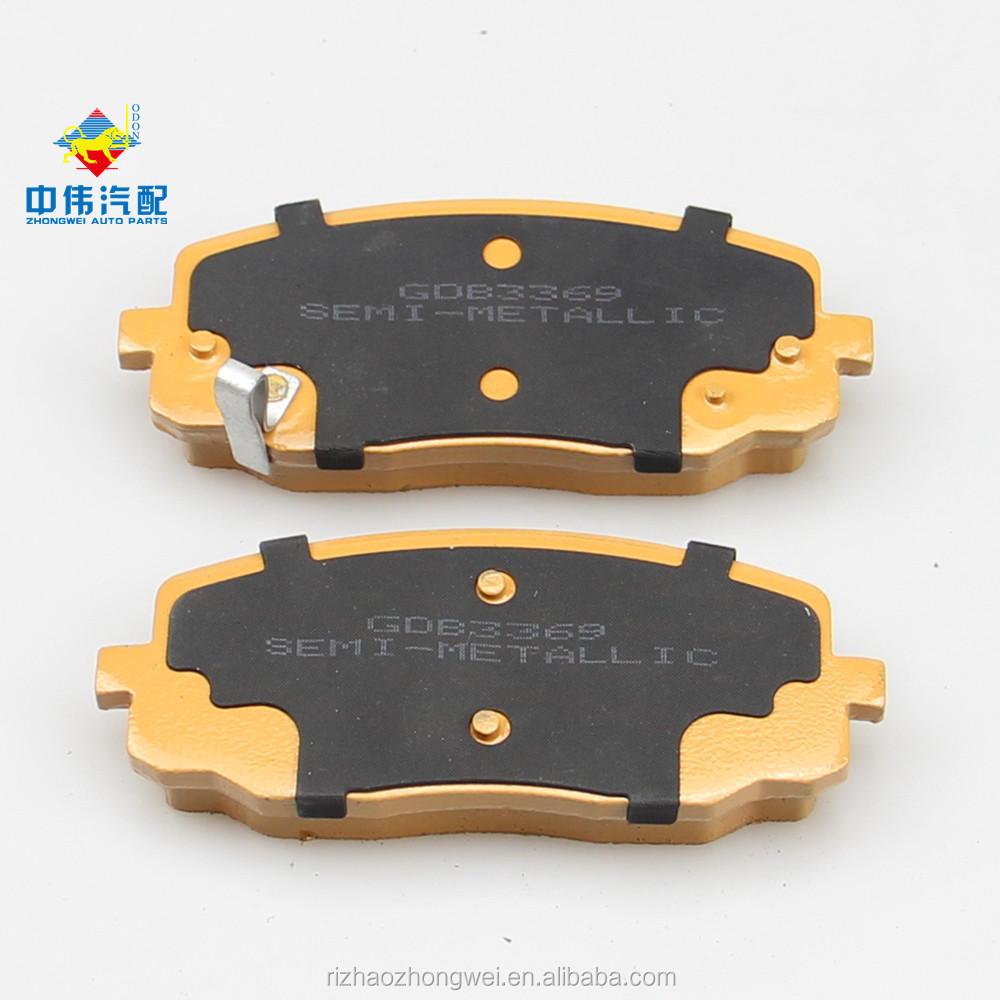
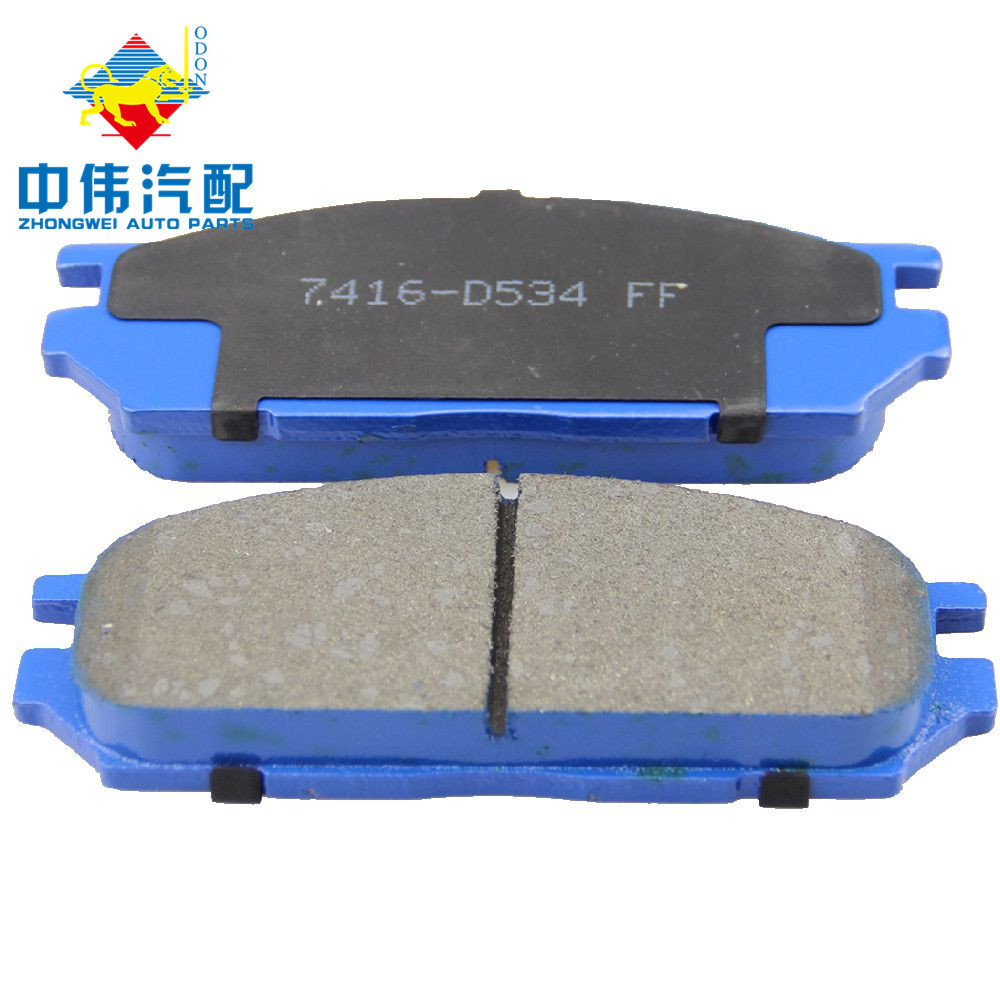
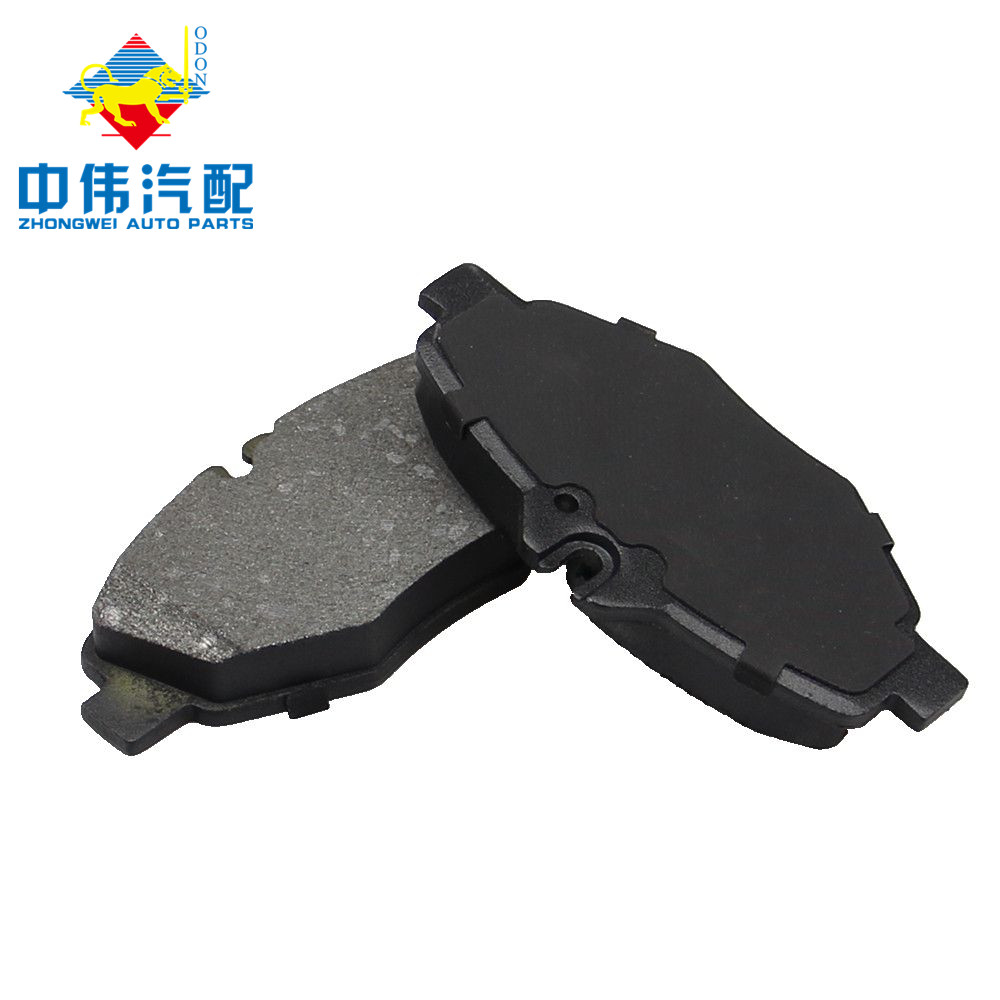
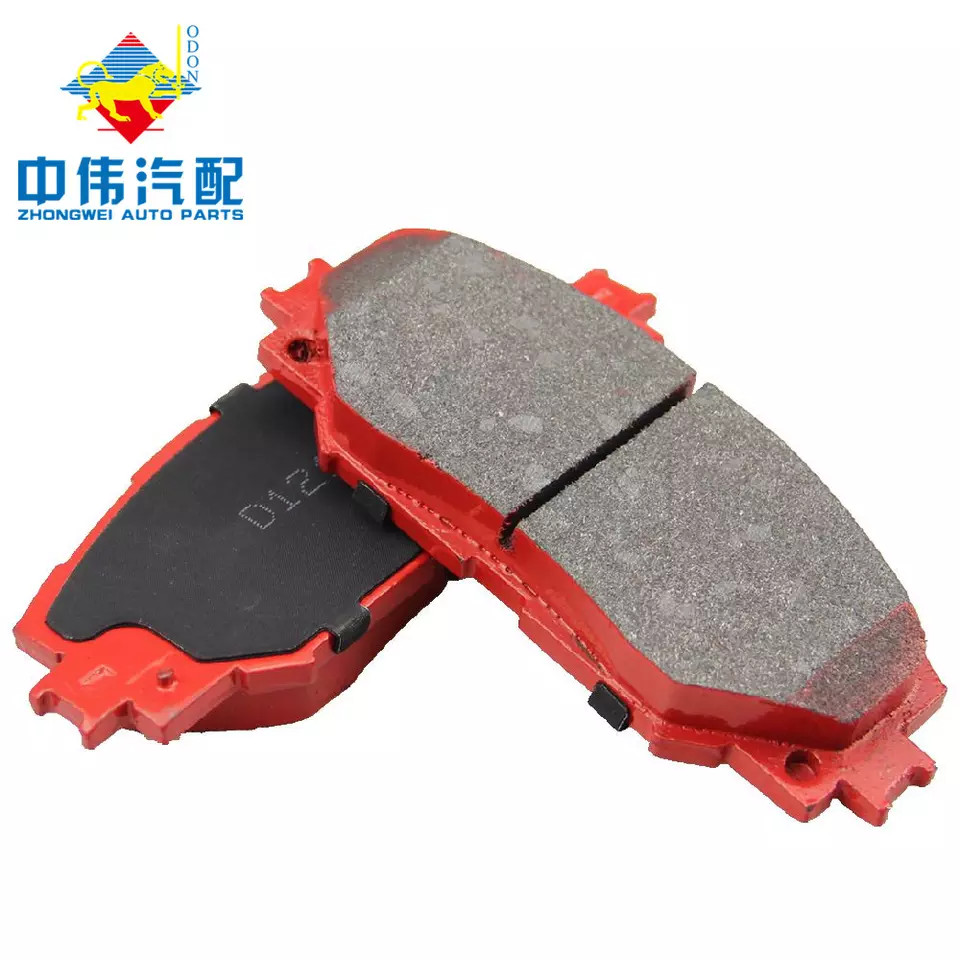
Which Is Better Ceramic Or Metallic Brake Pads Now Trending Where Service Meets Innovation
When choosing brake pads, the debate between ceramic and metallic options continues to spark interest among global buyers in the automotive parts market. Ceramic brake pads offer quieter operation, reduced dust production, and longer lifespan, making them an attractive choice for everyday drivers seeking comfort and cleanliness. Their performance in daily driving conditions is often lauded for providing a good balance between effectiveness and durability. These qualities are particularly appealing for those who prioritize a smooth and serene driving experience. On the other hand, metallic brake pads, usually made with high-density materials, are favored for their superior stopping power and resilience under high-temperature conditions, making them ideal for performance vehicles and heavy-duty applications. They are designed to withstand intense driving situations, showing their strengths on the race track or when towing heavy loads. However, they may produce more noise and dust compared to their ceramic counterparts, potentially impacting the overall vehicle aesthetics. As manufacturers continue to innovate, the choice between ceramic and metallic brake pads has become increasingly nuanced. For procurement professionals, understanding the specific performance requirements, application contexts, and desired features will be key in making informed purchasing decisions. Staying updated with the latest developments in brake pad technology will not only enhance product offerings but also meet the evolving needs of customers globally.
Which Is Better: Ceramic Or Metallic Brake Pads?
| Feature | Ceramic Brake Pads | Metallic Brake Pads |
|---|---|---|
| Heat Resistance | High | Moderate |
| Noise Level | Low | Higher |
| Dust Production | Low | Moderate to High |
| Performance in Wet Conditions | Good | Average |
| Cost | Moderate | Lower |
| Lifespan | Longer | Shorter |
| Application Type | Ideal for daily driving | Suitable for high-performance driving |
Related Products
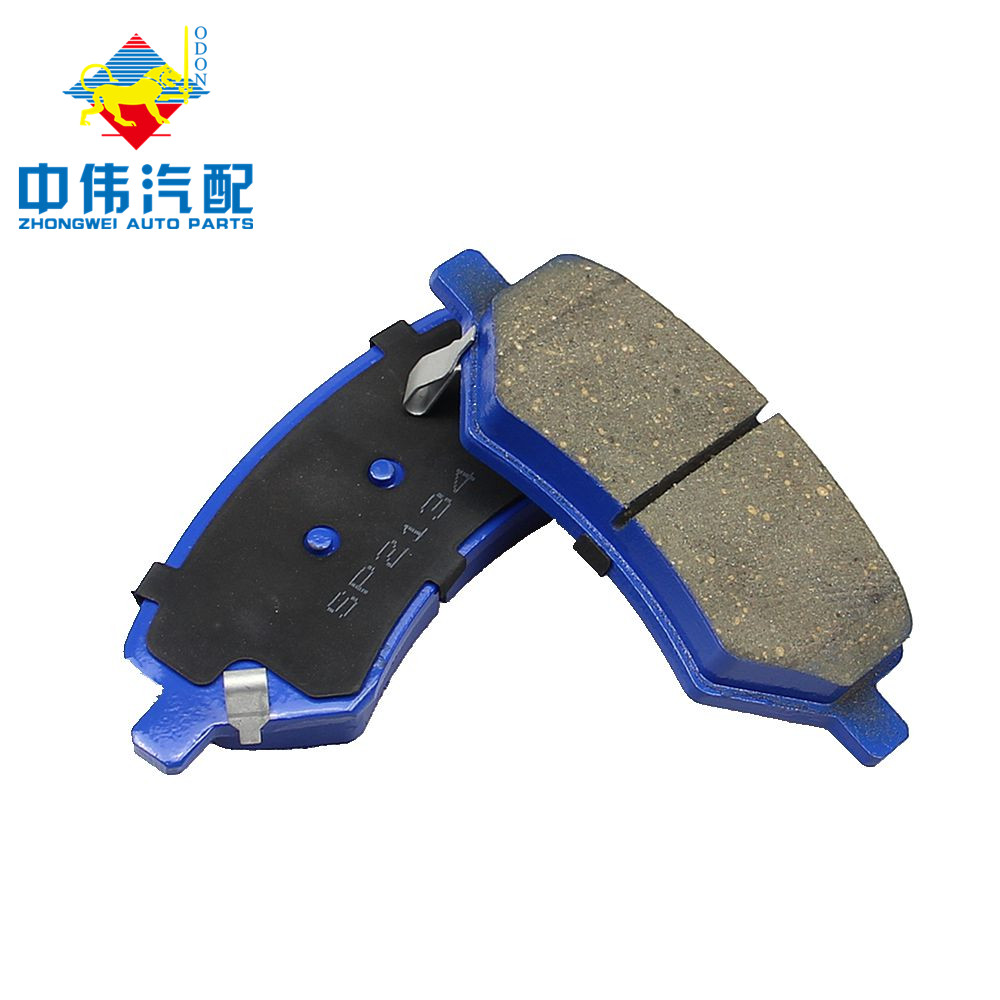
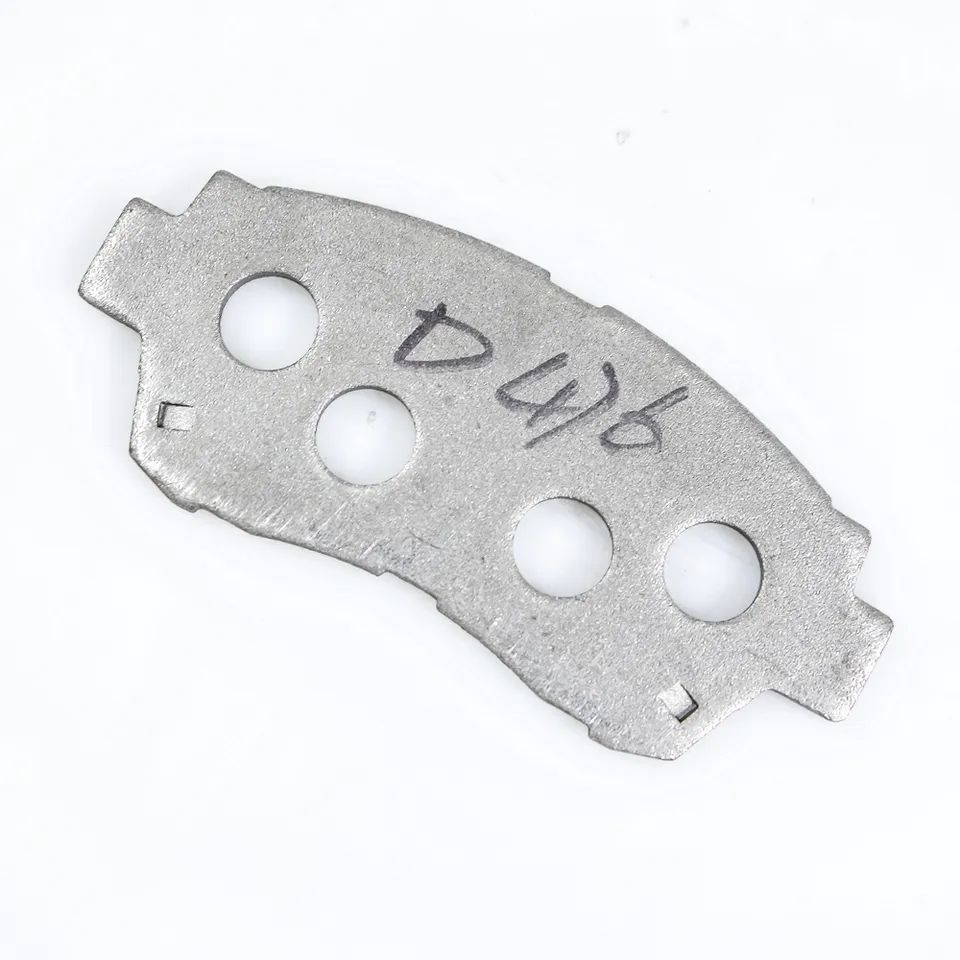

Which Is Better Ceramic Or Metallic Brake Pads Ahead of the Curve Factory-Direct Excellence
Top Selling Products
- Related Blog
- Reviews
