
- Mobile Phone
- +86 13256067633
- rzzw@rizhaozhongwei.com

Wholesale Brake Pad Material Sourced from Trusted Manufacturers
When it comes to brake pad material, I know how crucial it is for ensuring safety and performance in every vehicle. As a manufacturer specializing in high-quality brake pads, I can provide you with wholesale options that meet your specific needs. Our brake pad materials are not only durable but also designed to minimize noise and dust, ensuring a smooth ride for your customers. Each pad undergoes rigorous testing to meet industry standards, giving you the confidence to trust in our products. If you’re aiming to stand out in the competitive market, our innovative materials can help you achieve that edge. I’m here to assist with any questions about bulk orders or customization options that fit your brand perfectly. Let’s work together to elevate your offerings and satisfy your buyers with top-notch brake pad material!
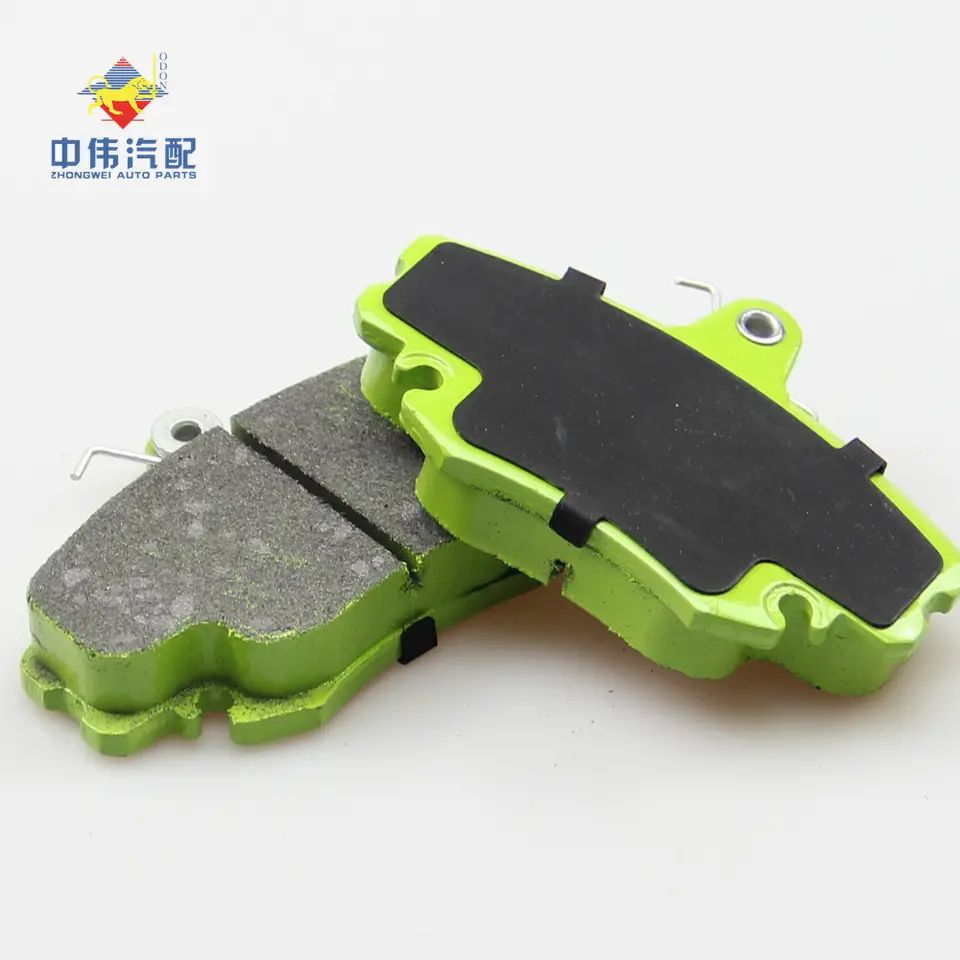
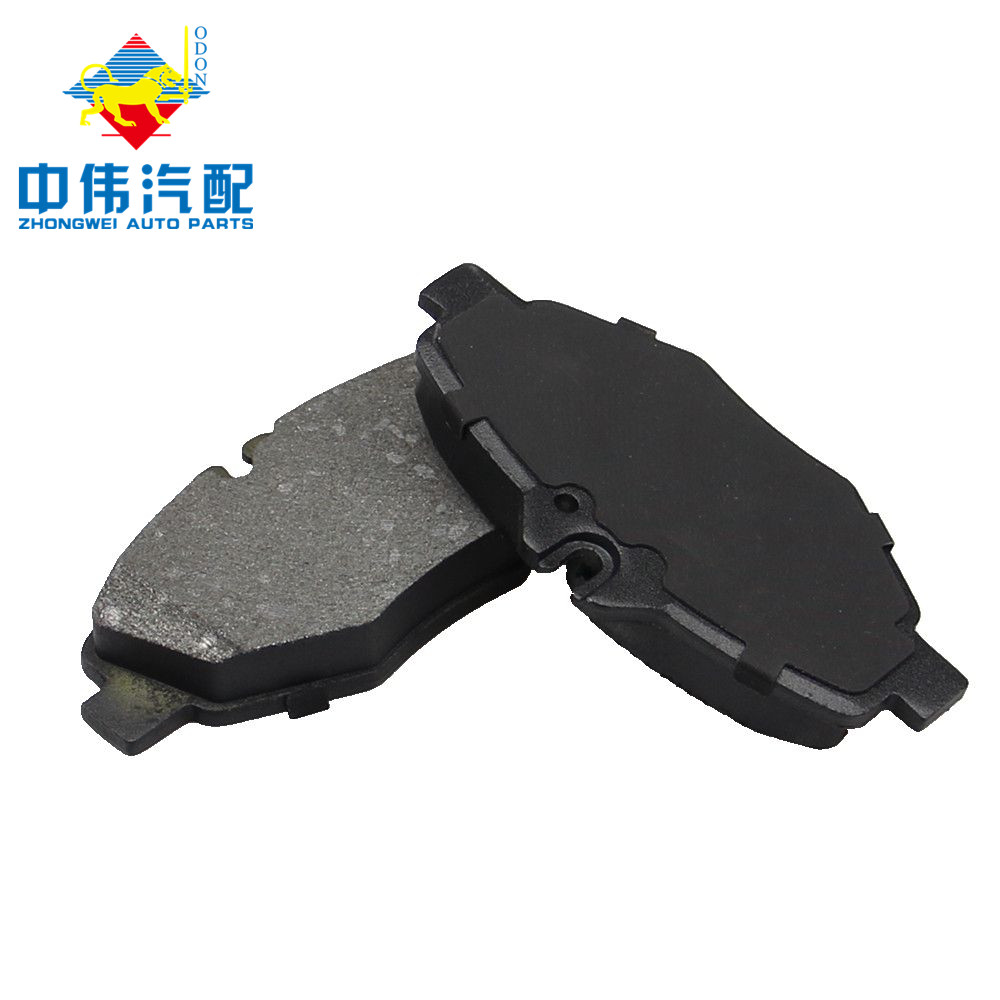
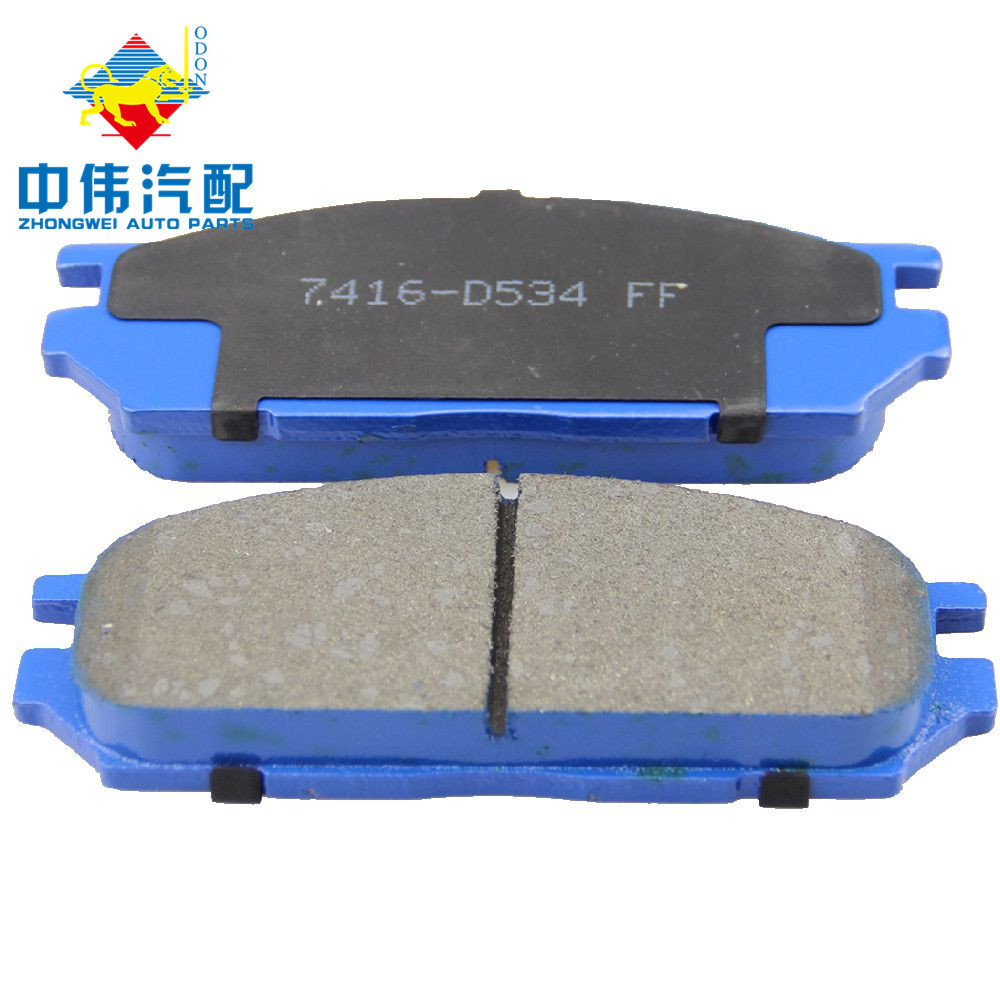
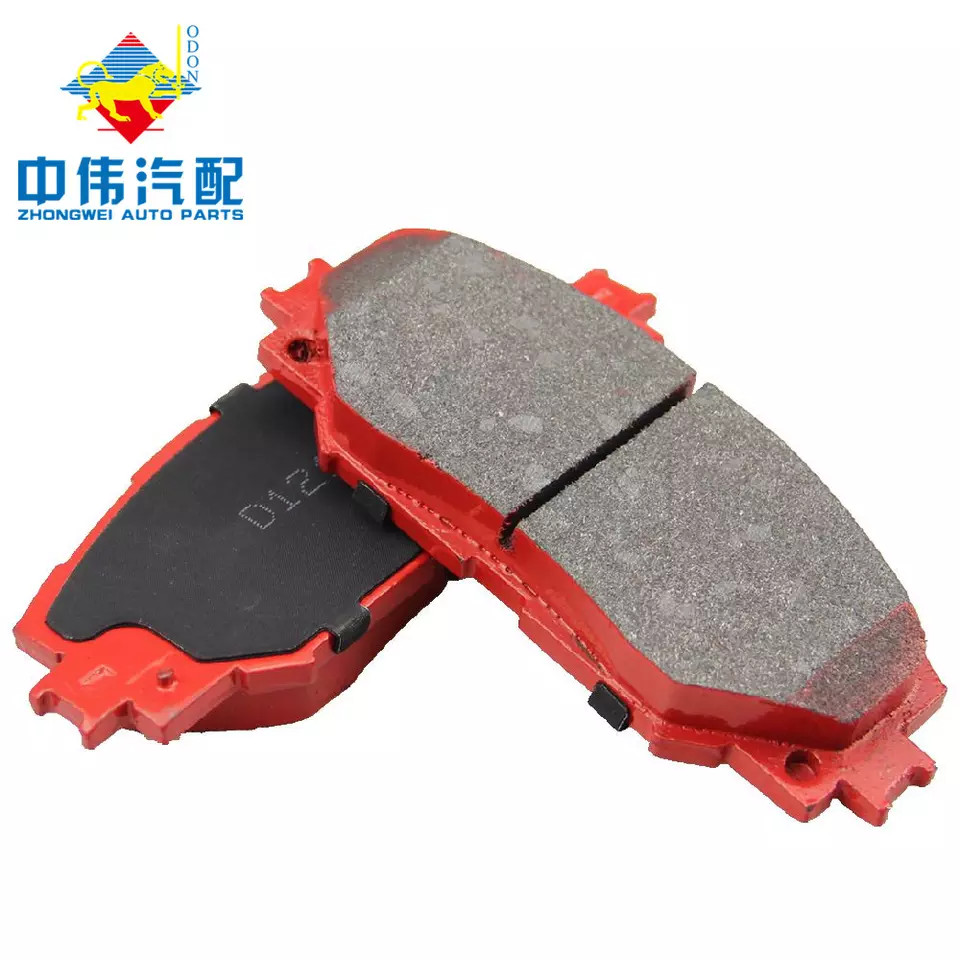
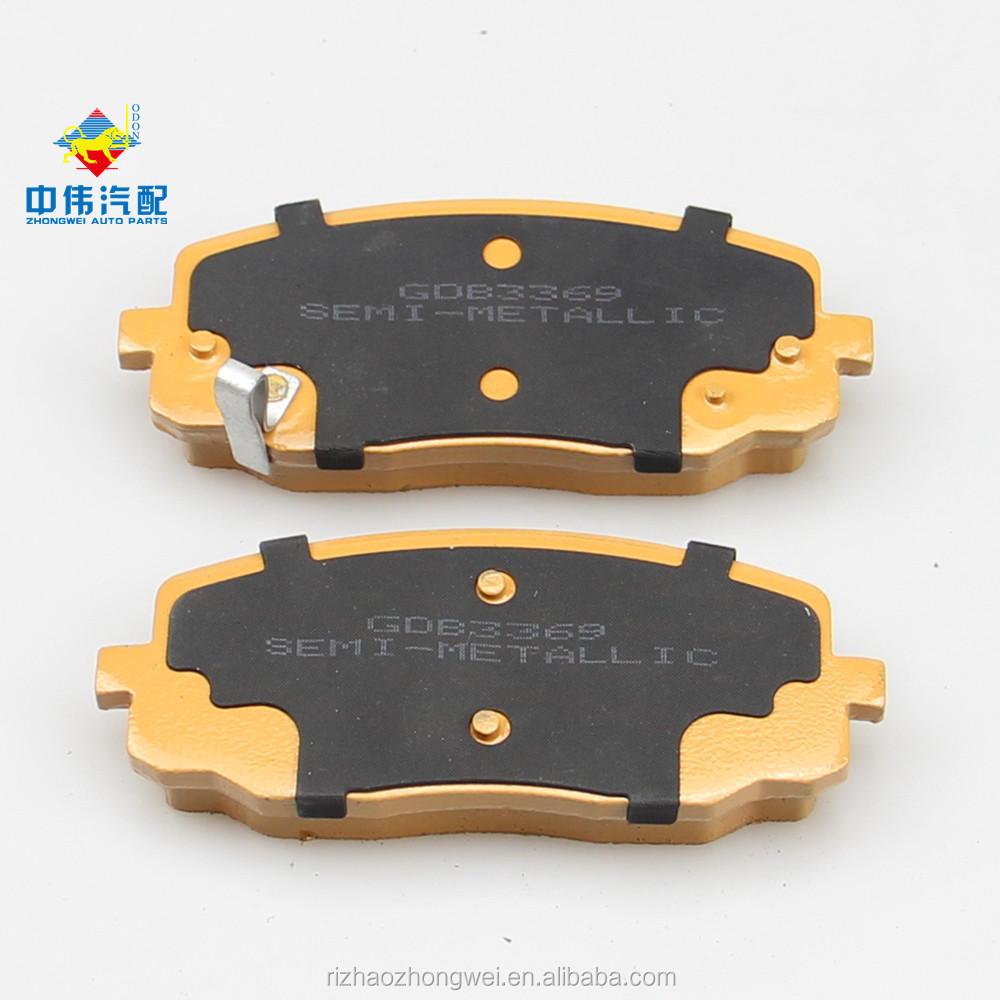
Brake Pad Material Application Products
When it comes to the automotive industry, the material composition of brake pads is crucial in ensuring safety, performance, and longevity. The choice of brake pad material directly influences the vehicle's braking efficiency, noise levels, and wear rate. With various options available, including organic, semi-metallic, and ceramic formulations, it's essential for global buyers to understand the distinct benefits each type offers. Organic brake pads, often made of materials like rubber, resin, and fibers, provide a quieter operation and reduced dust generation, making them ideal for light-duty applications. On the other hand, semi-metallic brake pads, which contain metal fibers, are known for their excellent heat dissipation and performance in high-stress driving conditions. Lastly, ceramic brake pads combine the best aspects of both organic and metallic materials, offering low wear, moderate dust production, and efficient stopping power suitable for a wide range of vehicles. Navigating the complexities of brake pad material selection requires insight into not only the performance characteristics but also the specific driving conditions and vehicle types for which they're designed. As global demand for high-quality automotive components continues to rise, it is imperative for buyers to partner with manufacturers that prioritize innovation, quality control, and sustainable practices in their production processes.
Brake Pad Material Application Products
| Material Type | Application | Friction Coefficient | Temperature Range (°C) | Durability |
|---|---|---|---|---|
| Semi-Metallic | Passenger Cars | 0.35 - 0.45 | -20 to 400 | Moderate |
| Low-Metallic | SUVs | 0.40 - 0.50 | -10 to 500 | High |
| Ceramic | Luxury Vehicles | 0.30 - 0.40 | -20 to 300 | Very High |
| Organic | Light Vehicles | 0.25 - 0.35 | -20 to 250 | Low |
| Carbon | Performance Vehicles | 0.45 - 0.55 | -10 to 600 | High |
Related Products
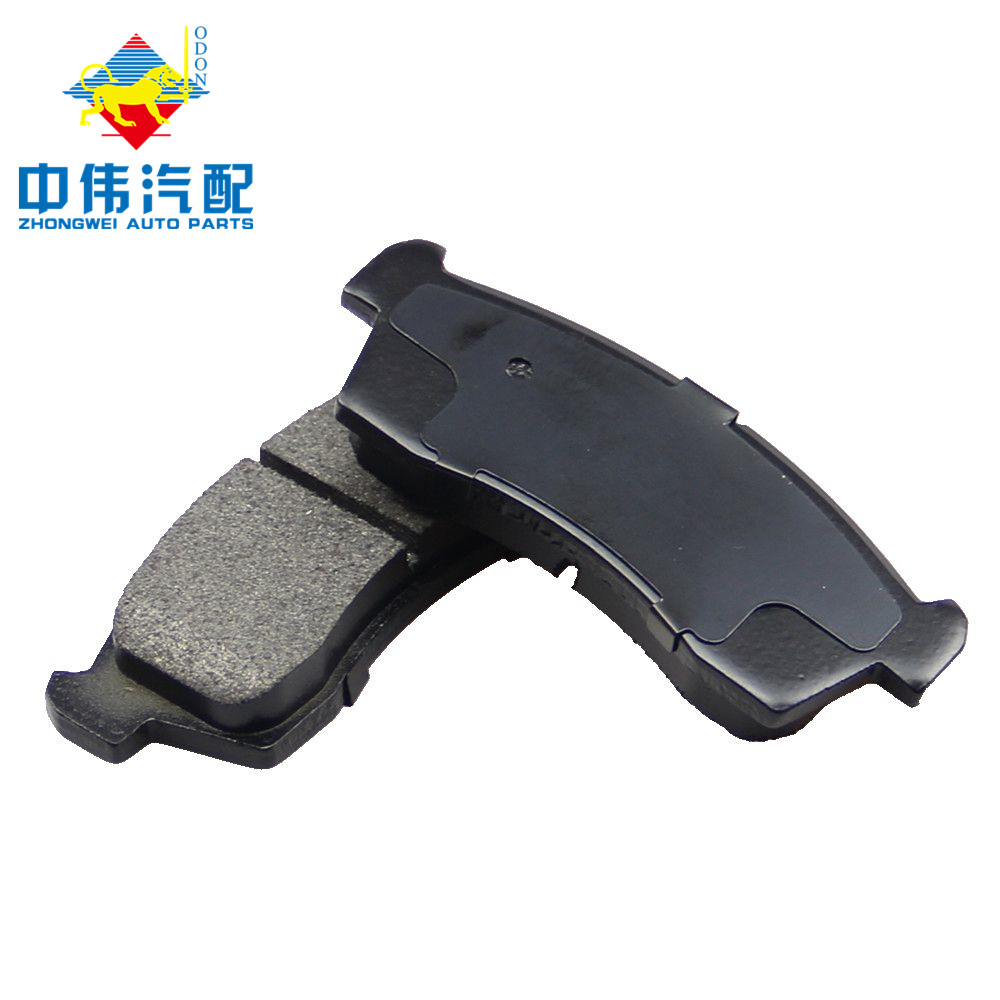
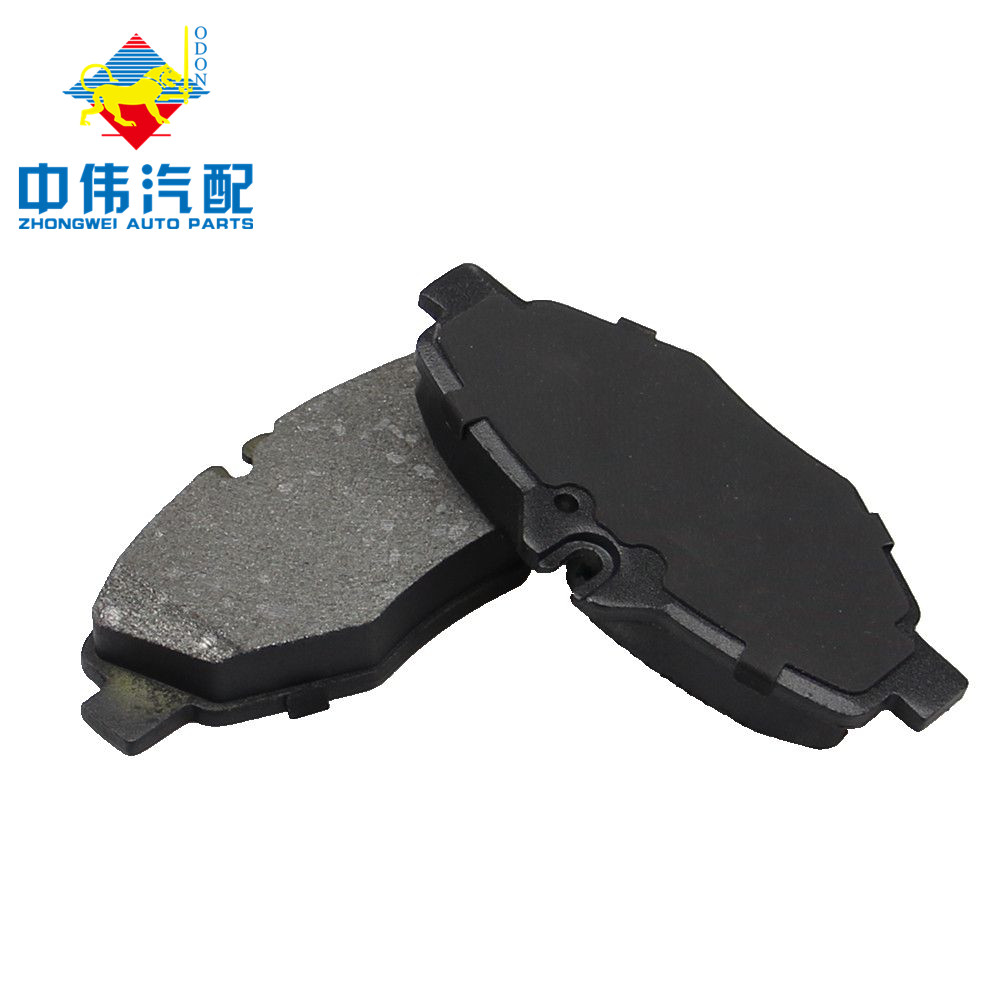
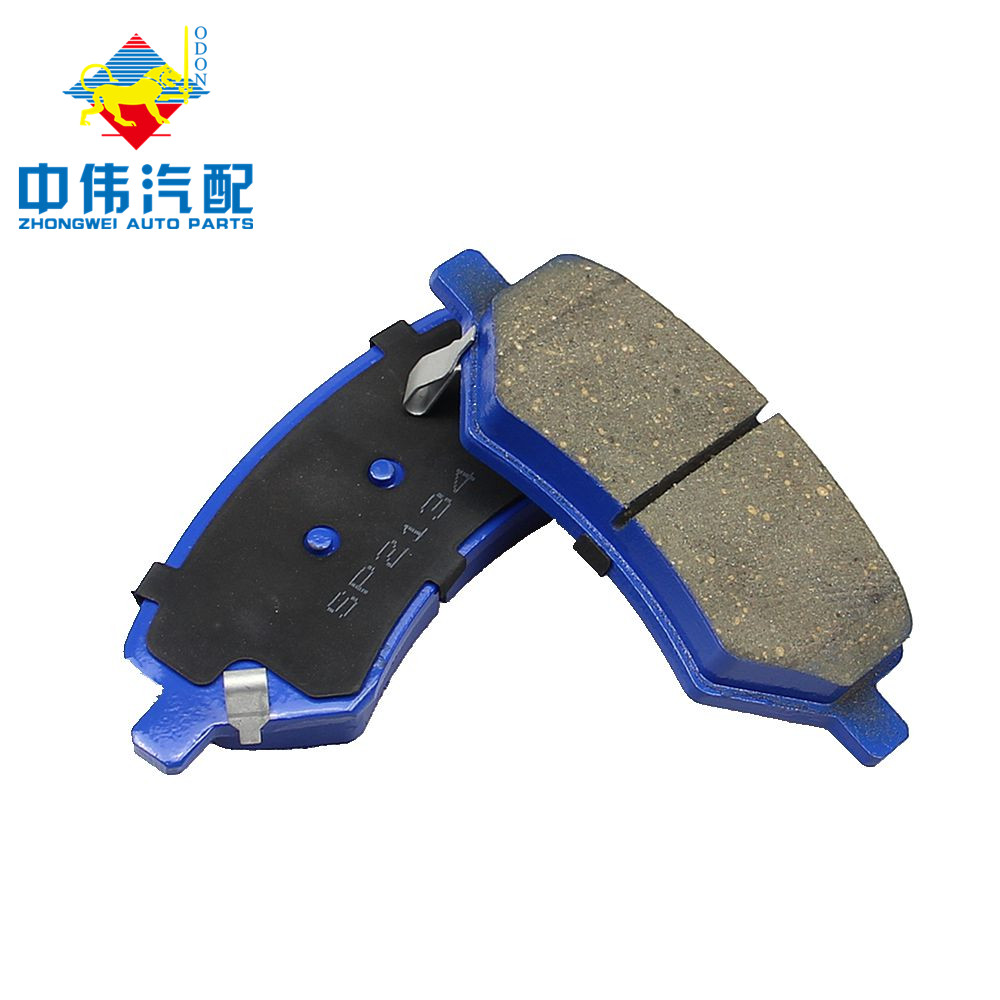

Brake Pad Material Exceeds Industry Benchmarks Factory-Direct Excellence
Top Selling Products
- Related Blog
- Reviews
